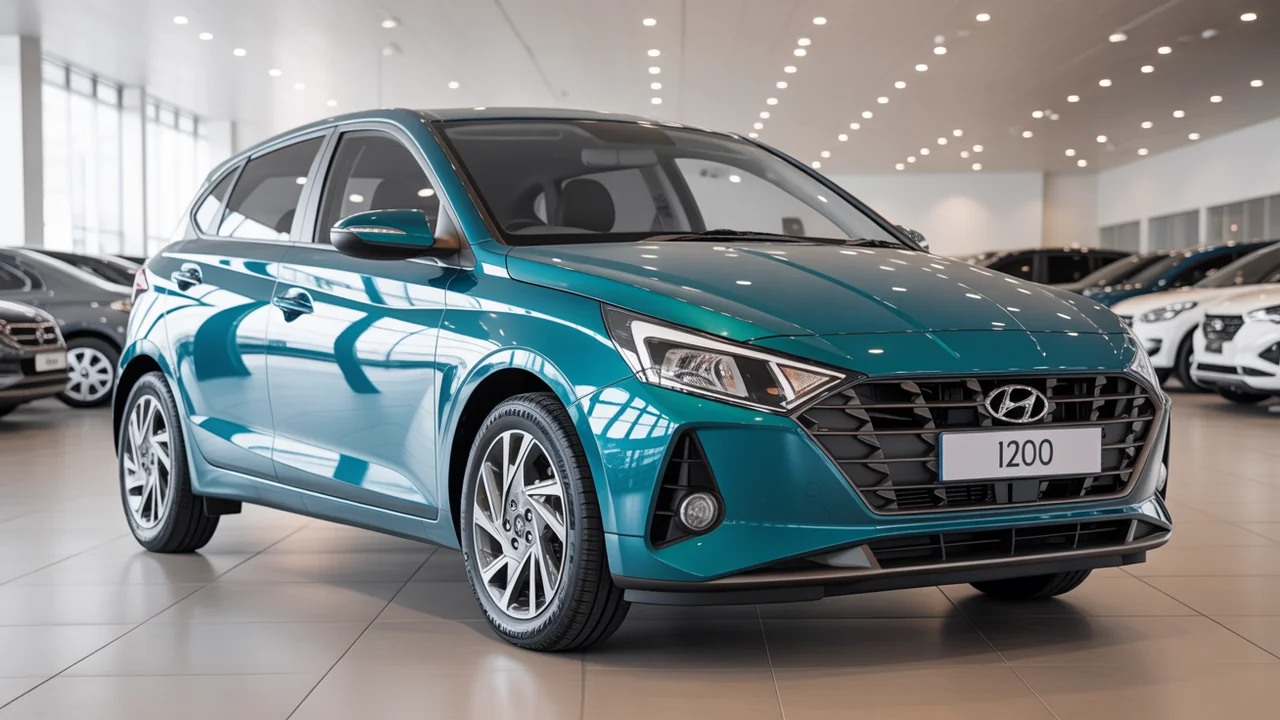
Hyundai i20 Facelift 2026: What’s changing for India’s premium hatchback buyers
The premium hatchback space in India has been quieter in recent years, with many buyers moving to compact SUVs. Hyundai appears keen to keep the segment relevant with the Hyundai i20 Facelift 2026, expected to bring sharper styling, updated tech, and a key talking point for daily users: mileage that can touch around 20 kmpl (as claimed/expected, depending on variant and testing cycle).
For city commuters and small families who still prefer a low-slung hatchback, the i20’s refresh is aimed at making the “hatchback over SUV” choice feel less like a compromise.
20 kmpl mileage: why it matters right now
Fuel efficiency has become a primary filter for many Indian buyers, especially in metros where traffic is constant and running costs add up quickly. A 20 kmpl figure, if delivered in the right variant and under standard test conditions, puts the i20 facelift in a strong position among petrol automatic and manual hatchbacks.
Real-world mileage will still vary based on driving style, traffic, tyre pressure, and AC usage. But even the expectation of “near-20” efficiency helps the i20 stay in consideration for people who do not want the height and extra weight of an SUV.
Design updates expected: small changes, big impact
Facelifts in this segment usually focus on making the car look fresher without changing its basic proportions. The Hyundai i20 Facelift 2026 is expected to continue with a sporty stance, with likely updates to the front bumper, grille detailing, lighting elements, and new alloy wheel designs.
Hyundai typically also introduces new colour options and minor interior trim changes during a facelift cycle, which can make a familiar cabin feel new without a full generation change.
Cabin and features: keeping the premium feel intact
The i20 has built its reputation in India on a feature-rich cabin and a more “premium car” vibe than many entry-level hatchbacks. The 2026 facelift is expected to build on that with improvements to infotainment software, connected features, and convenience add-ons depending on the variant.
Buyers in this price band often compare screens, audio quality, wireless connectivity, and practicality as much as performance. Hyundai knows that, and i20 updates usually target exactly these areas.

Safety and everyday usability: what buyers will look for
Premium hatchback buyers increasingly ask about safety features before anything else. While final specifications will vary by trim, shoppers will likely look for essentials such as multiple airbags, electronic stability control (on select variants), rear parking camera, and solid visibility for city driving.
Usability is where hatchbacks still shine: easy parking, lighter steering feel in traffic, and better manoeuvrability than taller SUVs in tight lanes and crowded markets.
Engine and gearbox expectations for India
Hyundai is expected to continue with familiar petrol engine options with manual and automatic choices aimed at different budgets. The efficiency figure being discussed is likely linked to the most economical powertrain/variant combination under test cycles.
For buyers, the key will be how the car balances mileage with smoothness—especially for stop-go driving, where automatic transmissions are increasingly preferred.

Where the i20 facelift fits in a SUV-heavy market
Compact SUVs may dominate showroom footfalls, but the demand for premium hatchbacks hasn’t disappeared. Many buyers still prefer the lower driving position, quieter high-speed stability, and the overall “car-like” feel that hatchbacks offer.
If Hyundai delivers meaningful updates and keeps running costs in check with near-20 kmpl efficiency, the i20 facelift could continue to attract buyers who want a stylish city-friendly car without stepping into SUV territory.
What to check before you decide
If you’re considering the i20 Facelift 2026, it will be worth looking closely at variant-wise feature lists and the official mileage figures once announced. Also compare tyre sizes, safety kit availability on mid variants, and whether key features are locked behind top trims.
As always, a long test drive in traffic—not just an open road—will give the clearest picture of comfort, refinement, and real-world efficiency.
FAQs
1) Will the Hyundai i20 Facelift 2026 really deliver 20 kmpl?
The 20 kmpl number is typically an official/claimed figure under standard testing for specific variants. Real-world mileage can be lower or higher depending on traffic and driving style.
2) What are the main changes expected in the i20 Facelift 2026?
Expected updates include refreshed exterior styling, possible new features in the cabin, and variant-wise tech improvements, while retaining the i20’s overall design and positioning.
3) Is the i20 still a good buy compared to compact SUVs in India?
For buyers prioritising easy parking, lower running costs, and a more car-like driving feel, a premium hatchback like the i20 can still make more sense than an SUV.
4) Which i20 variant is likely to be the most fuel-efficient?
Usually, the most efficient variant is the one with the most economy-focused powertrain and wheel/tyre setup. Check the official ARAI figures once Hyundai shares the complete variant list.