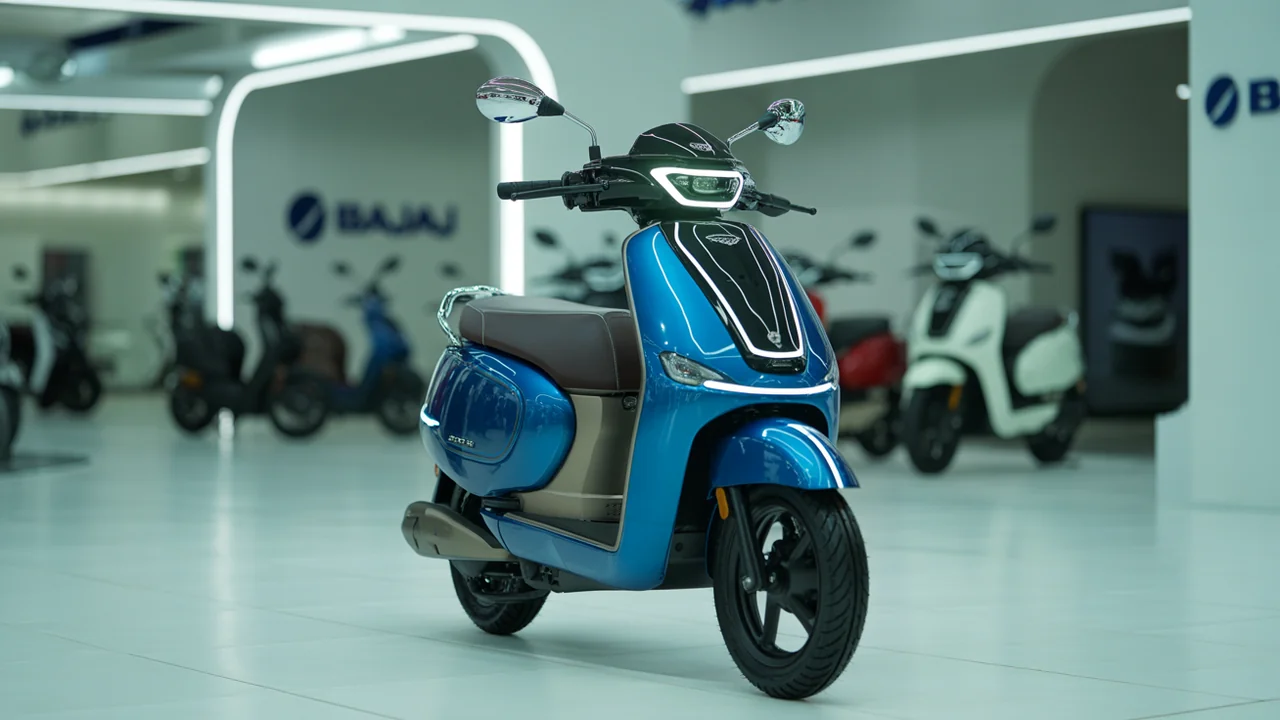
Renewed interest around the Bajaj Chetak EV 2026
The Bajaj Chetak name has been around for decades, and it continues to draw attention in India’s fast-changing scooter market. With the upcoming Bajaj Chetak EV 2026, there’s fresh interest among buyers who want an electric scooter that feels solid, looks understated, and fits daily city use.
While EV buyers often focus on range and charging, many shoppers also care about everyday things like finish quality, ride feel, and long-term durability. That’s where the Chetak’s premium, metal-bodied approach has kept it in the conversation.
What’s driving the buzz: premium build and a claimed 140 km range
One of the main talking points is the expected 140 km range figure (commonly discussed as a claimed or ideal-condition number). For many Indian commuters, that sounds like a practical target for several days of office runs, market trips, and short errands—depending on speed, load, road conditions, and riding mode.
At the same time, the Chetak’s perceived premium build quality continues to be a key draw. Buyers who dislike lightweight, plasticky-feeling scooters often shortlist it because it feels more “grown-up” in its construction, especially in panel fit and overall finish.
Design and road presence: why it feels different in traffic
In a sea of sharp, edgy scooter designs, the Chetak’s styling is more classic and clean. That makes it appealing to riders who want something understated for office commutes or family use.
Its road presence also comes from the way it’s put together. A sturdier feel can translate into better confidence over broken patches, speed breakers, and typical city rough spots—areas where many Indian riders spend most of their time.
Range in real life: what Indian riders should keep in mind
Range numbers can be confusing. A 140 km claim may not mean every rider will see 140 km on every ride. Real-world range typically varies with traffic conditions, riding style, tyre pressure, payload, and use of features like lighting and connected functions.
For Indian cities, stop-go traffic can sometimes help EVs, but higher speeds, frequent hard acceleration, or riding with a pillion most of the time can reduce the final figure. Riders planning longer daily runs may want to factor in a buffer rather than aiming for the last kilometre.
Charging and daily ownership: what matters more than just specs
For many households, the biggest EV question is still charging convenience. Apartment parking, socket availability, and reliable power supply can decide whether an electric scooter feels easy or stressful to own.
Running costs are often lower than petrol scooters for daily commuting, but buyers typically also look at service network reach, parts availability, and battery warranty clarity. These practical details can matter as much as claimed range when making a purchase decision.
Where it could fit in the market in 2026
By 2026, India’s electric scooter space is expected to be even more crowded, with more options across price bands. The Chetak EV 2026 is likely to attract customers who want a scooter that feels premium and is aimed at predictable urban commuting rather than chasing extreme performance.
If pricing and availability are competitive in major cities, the renewed interest could translate into stronger consideration among buyers upgrading from petrol scooters, especially those who value a more refined, well-finished product.
What to verify before buying
As details evolve closer to launch, prospective buyers should verify the tested range method used, charging time, warranty terms, and service support in their city. It’s also worth taking a long test ride to understand seat comfort, suspension tuning, braking feel, and how it behaves with a pillion.
For many people, a scooter is a daily tool—so the best choice is often the one that suits routine usage, not the one with the biggest headline number.
FAQs
1) Is the 140 km range on the Bajaj Chetak EV 2026 real-world or claimed?
The 140 km figure is typically discussed as a claimed/ideal-condition number. Real-world range can be lower depending on speed, traffic, load, and riding mode.
2) What is the main highlight of the Chetak EV 2026 besides range?
Many buyers focus on its premium build feel and overall finish quality, which helps it stand out among more plastic-heavy alternatives.
3) Will the Chetak EV 2026 be suitable for daily office commutes in Indian cities?
It is expected to suit typical urban commutes well, especially for riders who want a comfortable, refined scooter for city speeds and regular errands.
4) What should buyers check before finalising an electric scooter like the Chetak?
Check real-world range reviews, charging setup at home/parking, battery and vehicle warranty terms, and service availability in your city.