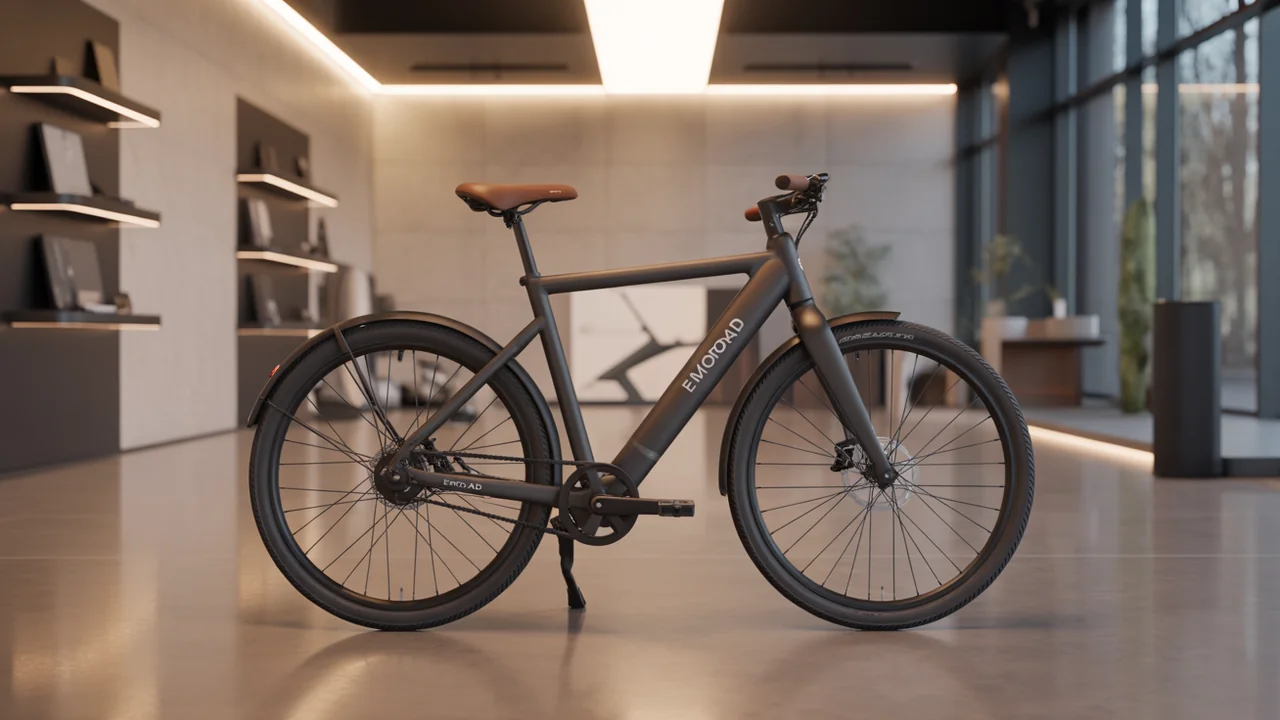
EMotorad e-cycles are showing up more often on Indian city roads in 2026
Electric cycles are becoming a familiar sight across Indian metros in 2026, and EMotorad models are among those being spotted more frequently on everyday routes. Riders are using them for short commutes, last-mile connections, and evening rides where the goal is to move faster than walking without arriving exhausted.
The appeal is landing at the intersection of practicality and fitness. People who want to pedal for exercise, but still need help on flyovers, long stretches, or humid days, are increasingly turning to pedal-assist e-cycles.
Fitness-first riding, with help when it’s needed
One of the reasons urban riders are taking to EMotorad e-cycles is that they still feel like cycling. Pedal-assist setups typically require pedalling, and the motor support can be adjusted so riders can keep workouts light or push harder depending on the day.
For many, the “fitness with backup” factor matters more than speed. It can make cycling feel realistic even for those returning to exercise after a break, or commuters who don’t want to reach work drenched in sweat.
Claimed assisted range goes up to 120 km on select setups
EMotorad’s 2026 lineup is being discussed for its claimed assisted range reaching up to 120 km, depending on the model, battery capacity, assist level, rider weight, terrain, tyre pressure, and traffic conditions.
In real-world city use, range tends to vary widely. Stop-and-go traffic, frequent braking, rough patches, and higher assist settings can reduce distance per charge, while flatter routes and moderate assist can stretch it.
Why e-cycles fit Indian city life right now
Across cities like Bengaluru, Hyderabad, Pune, Delhi-NCR, Chennai, and Mumbai, commuters face a daily trade-off between time, cost, and comfort. E-cycles are being seen as a middle option—often cheaper to run than scooters and more flexible than public transport for shorter point-to-point travel.
They also work well for mixed-mode travel. Some riders use them to cover the first and last few kilometres to metro stations or bus corridors, where parking a car or two-wheeler may be difficult or expensive.
What’s driving urban interest: cost of travel and convenience
Fuel prices, rising maintenance costs, and parking hassles continue to influence how people move in cities. For short commutes, an electric cycle can be a low-running-cost alternative, especially when the goal is steady movement rather than high-speed travel.
Charging a battery at home is also simpler for many apartment residents than arranging consistent car charging. That said, battery care and safe storage remain important considerations.
Things riders are paying attention to before buying
With more e-cycles on the road, buyers are asking practical questions: how long the battery lasts over months of use, how easy it is to service in their city, and whether parts are available without long waiting periods.
Other common checkpoints include frame size, comfort on broken roads, brake performance in rain, warranty terms, and how the e-cycle behaves when the battery is low or switched off.
Safety and road etiquette matter as e-cycles blend into traffic
As pedal-assist cycles become more common, so does the need for safer riding habits—helmets, reflective gear at night, predictable lane behaviour, and cautious speeds near pedestrians. City roads can be unpredictable, and e-cycles often share space with everything from buses to delivery bikes.
Riders also benefit from learning basic maintenance, such as checking tyre pressure, brake wear, chain lubrication, and battery charging practices, especially in dusty or wet conditions.
What to expect next in India’s e-cycle space
The broader e-cycle category in India is expected to keep expanding in 2026 as more people try alternatives for short urban travel. Brands are likely to focus on better batteries, lighter frames, improved service networks, and clearer range expectations under Indian conditions.
For EMotorad and similar makers, the big test will be consistency—reliable after-sales support, durable components for Indian roads, and transparent performance information that matches daily use.
FAQs
1) Is the 120 km range on EMotorad e-cycles guaranteed?
No. It’s a claimed assisted range that can vary based on assist level, terrain, rider weight, tyre pressure, traffic, and battery health.
2) Are EMotorad e-cycles good for fitness or do they feel like a scooter?
Most are pedal-assist oriented, so you typically still pedal. The motor support can make workouts easier on climbs or longer routes while keeping a cycling feel.
3) Can I use an electric cycle for daily commuting in Indian cities?
Yes, many people use e-cycles for short commutes and last-mile travel. Comfort, braking, service availability, and safe riding practices are key for daily use.
4) What affects electric cycle battery life the most?
Frequent high assist usage, heat exposure, improper charging habits, storage at full charge for long periods, and heavy loads can reduce battery longevity over time.