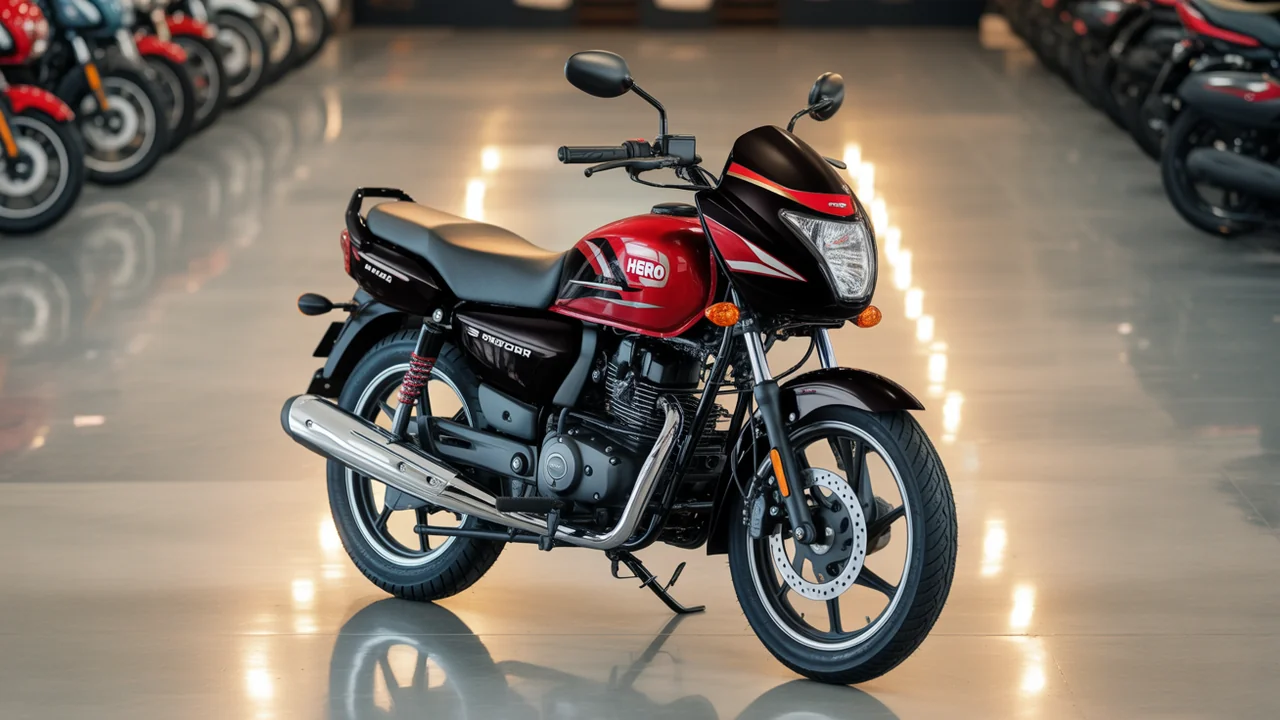
Hero Splendor Plus 2026 keeps its “mileage king” tag in India
The Hero Splendor Plus has long been a familiar name on Indian roads, especially for riders who want low running costs and straightforward maintenance. With the 2026 model year, the commuter motorcycle continues to be talked about for the same reason it became popular in the first place: fuel efficiency.
While real-world mileage varies with riding style, traffic, load, tyre pressure and service condition, the Splendor Plus line has built a reputation over generations for delivering strong efficiency figures. For many owners, the “around 70–75 kmpl” conversation has remained consistent over the years—making the 2026 version feel like a continuation rather than a reinvention.
What “75 kmpl” means in the real world
In everyday use, mileage depends on where and how you ride. City commutes with stop-go traffic typically return lower numbers than steady rural or highway stretches at moderate speeds.
That said, the Splendor Plus has historically been tuned for gentle throttle response and practical gearing, which helps riders extract better fuel economy without trying too hard. This is one of the key reasons it keeps showing up in mileage discussions across India.
Why efficiency stays consistent across generations
The Splendor Plus story has been about incremental changes rather than radical shifts. Over time, updates have generally focused on meeting tighter emission norms while protecting the core commuter priorities—refined low-end performance, light weight, and easy serviceability.
When a motorcycle’s purpose is daily commuting, big jumps in performance are rarely the goal. Instead, consistent efficiency, predictable maintenance, and broad parts availability often matter more—and that’s where the Splendor Plus has traditionally stayed strong.
Everyday factors that help owners get better mileage
Owners who regularly see high efficiency figures usually follow a few basics. These aren’t unique to the Splendor Plus, but the bike tends to respond well to them.
Keeping tyre pressure correct, avoiding aggressive acceleration, shifting early, and sticking to moderate speeds can make a noticeable difference. Regular oil changes, clean air filters, and timely chain lubrication also help maintain smooth rolling and reduced drag.

Why the Splendor Plus remains relevant in 2026
In a market where features and styling updates arrive fast, commuter buyers still prioritise cost-per-kilometre. Rising fuel prices keep mileage at the centre of purchase decisions, especially for office-goers, students, and delivery riders.
The Splendor Plus continues to be seen as a safe pick: familiar ergonomics, widely available service networks, and a long-running platform that mechanics across towns and cities understand well.
What buyers should keep in mind before expecting 75 kmpl
It’s important to treat any single mileage number as a benchmark, not a guarantee. Real results can swing based on payload, road conditions, fuel quality, riding speed, and even how often you ride with a pillion.
If efficiency is your top priority, a short test ride on your regular route—and a check on service history if you’re buying used—can be more helpful than chasing one headline number.
FAQs
Q1. Is the Hero Splendor Plus 2026 really a 75 kmpl motorcycle?
Mileage can vary by conditions, but the Splendor Plus has a long-standing reputation for high efficiency, and many riders report figures in the 70–75 kmpl range with careful riding.
Q2. What affects Splendor Plus mileage the most in city traffic?
Frequent braking and acceleration, idling time, heavy load, low tyre pressure, and poor maintenance (air filter, chain, engine oil) typically reduce mileage in stop-go traffic.
Q3. How can I improve mileage on a Splendor Plus?
Maintain correct tyre pressure, ride at steady speeds, shift early, avoid hard throttle inputs, keep the chain lubricated, and follow the service schedule for oil and filter changes.
Q4. Is Splendor Plus still a good choice in 2026 for daily commuting?
For buyers focused on low running costs, easy maintenance, and widespread service support, it remains a practical commuter option in India.