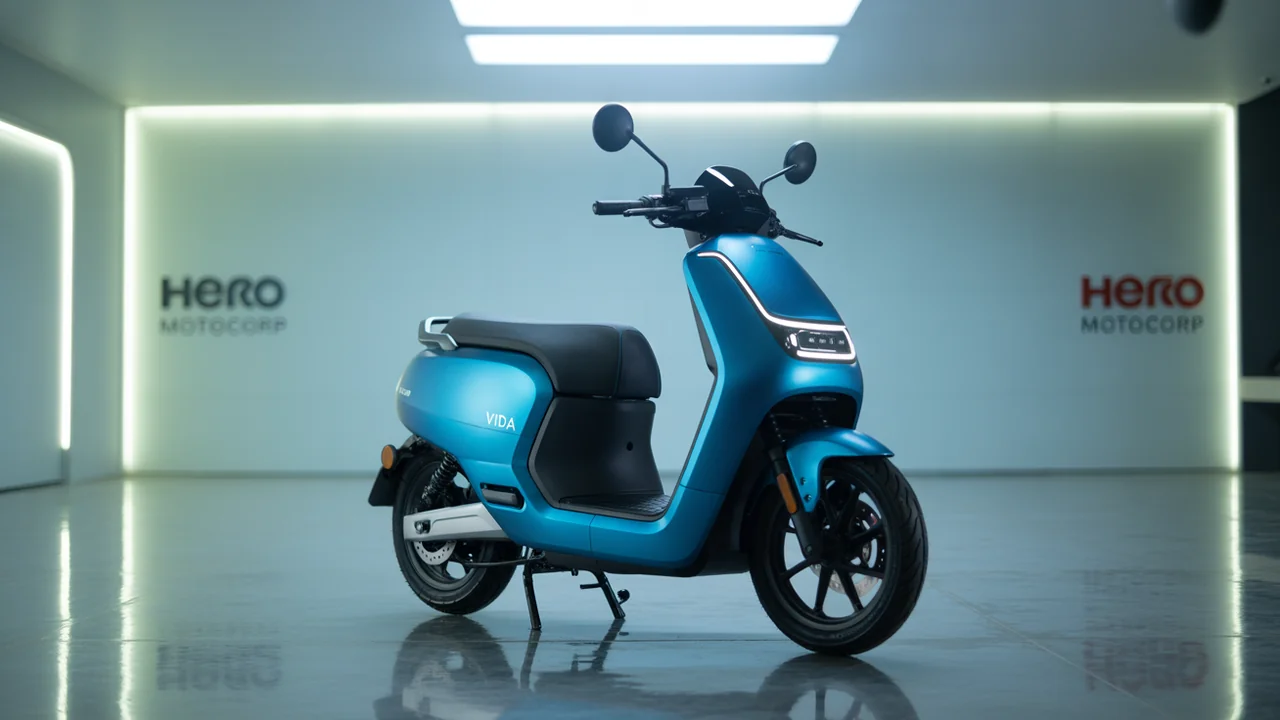
Hero Vida V1 2026 targets wider EV adoption with updated range and connected tech
Hero MotoCorp’s EV arm, Vida, is pushing harder into India’s electric two-wheeler space with the Hero Vida V1 2026. The scooter brings a claimed range figure of up to 165 km and leans heavily on smart, connected features—an area where buyers increasingly compare offerings across brands.
While real-world range can vary based on speed, load, road conditions, and riding mode, the headline number is clearly aimed at easing “range anxiety” for daily commuters and people considering an EV as their primary scooter.
Claimed 165 km range: what it means for everyday riders
Vida’s claimed 165 km range is positioned as a practical, city-first figure on paper. For many Indian users, the key question is whether a scooter can handle a week of office commutes, errands, and short weekend trips without constant top-ups.
In typical usage, actual range often drops from the claimed figure depending on traffic patterns, frequent stop-start riding, and heavy throttle use. Buyers should treat the number as a benchmark and check independent road tests and owner feedback once the model is available in more cities.
Smart features take centre stage
The Vida V1 2026 highlights “smart” conveniences that are fast becoming must-haves rather than nice-to-haves. Connected features can include navigation support, ride statistics, alerts, and app-based controls, depending on variant and software availability.
For Indian riders, the practical value of connected tech usually comes down to simple things: quick access to navigation, visibility of battery status, reminders, and the ability to track the scooter if something goes wrong.
Why this update matters in India’s crowded electric scooter market
India’s electric scooter segment is now crowded with a mix of legacy manufacturers and EV-first startups. Many buyers cross-shop models based on a narrow set of priorities: range, charging convenience, service reach, and reliability in day-to-day use.
By pushing a higher claimed range and packaging it with connected features, the Vida V1 2026 appears aimed at buyers who want a familiar brand name but still expect modern EV tech and app-based features.
Charging convenience and service reach remain key decision points
Beyond range claims, EV ownership experience in India often depends on where and how easily the scooter can be charged—especially for apartment dwellers and people without dedicated parking sockets.
Service accessibility is another major factor. Potential customers typically look for transparent warranty terms, availability of spares, and how quickly issues are resolved at authorised centres, particularly for battery and electronics-related concerns.
What buyers should check before deciding
Anyone considering the Hero Vida V1 2026 should look beyond marketing numbers and confirm details such as certified range test cycles, usable battery capacity, expected real-world range in mixed traffic, and charging time from common household power.
It also helps to verify software support commitments, app stability, and whether key connected features work reliably in areas with patchy mobile networks.
FAQs
1) What is the claimed range of the Hero Vida V1 2026?
Hero claims a range of up to 165 km for the Vida V1 2026, though real-world figures may vary by riding conditions and mode.
2) Will the Vida V1 2026 deliver 165 km in real traffic?
Not always. Range typically changes with speed, payload, tyre pressure, road gradients, and frequent acceleration in city traffic.
3) What kind of smart features can buyers expect?
The scooter focuses on connected, app-based functions such as vehicle information, ride data, and other software-driven features depending on variant and updates.
4) What should Indian buyers prioritise before purchasing?
Check real-world range reports, charging practicality at home/work, warranty coverage for battery and electronics, and the availability of service centres in your city.