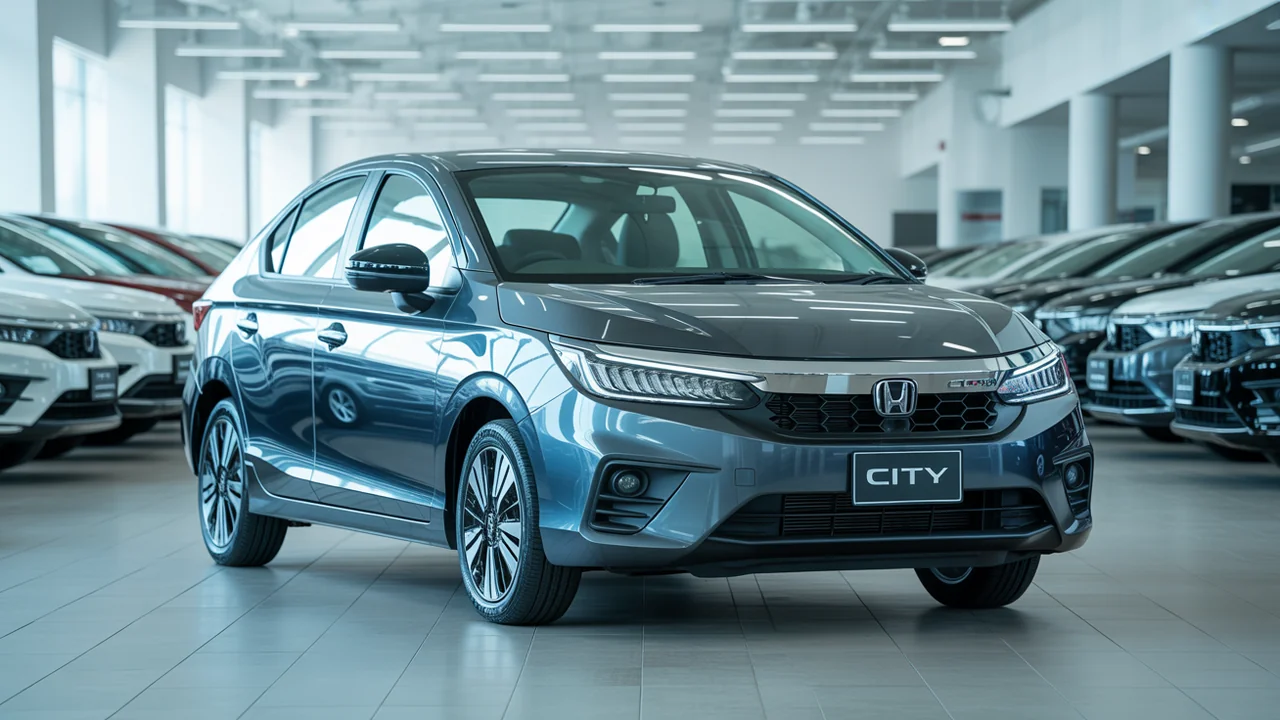
Honda City Hybrid 2026 draws attention for fuel savings
The Honda City Hybrid 2026 is getting noticed in India for one clear reason: efficiency. The sedan is being talked about as a practical choice for buyers who want a familiar mid-size car, but with lower fuel consumption than regular petrol models.
The key figure doing the rounds is its claimed combined mileage of 27 kmpl. For many urban commuters dealing with rising running costs, that number has become a major talking point.
What the 27 kmpl combined mileage claim means
“Combined” mileage typically refers to a mix of city and highway driving under standard test conditions. In everyday use, real-world results can vary based on traffic, driving style, tyre pressure, passenger load, and air-conditioner use.
Still, a combined 27 kmpl rating signals the hybrid system is tuned to prioritise efficiency, especially in stop-go traffic where hybrids can make the biggest difference.
Why hybrids can feel more efficient in city traffic
In heavy traffic, conventional petrol cars often burn more fuel because the engine keeps running while the car crawls or idles. A strong hybrid setup can reduce that loss by using electric drive more often at lower speeds and during gentle acceleration.
Regenerative braking—where the car recovers some energy during braking—can also help in cities with frequent slowdowns. That recovered energy is stored and reused, lowering the dependence on petrol in certain situations.
How this could matter for Indian buyers
For buyers who cover long daily commutes or spend a lot of time in congested city conditions, fuel bills are a major ownership cost. A hybrid sedan with a high claimed combined mileage can appear attractive even if upfront pricing is higher than a standard petrol version.
Interest also comes from buyers who want better efficiency without needing to plan charging stops, unlike full electric cars. Hybrids refuel like regular cars, which can be reassuring for intercity travel.

Things to keep in mind before deciding
Mileage claims are useful for comparing vehicles, but it’s worth looking at total costs too—service, insurance, and expected usage pattern. If most driving is on open highways at steady speeds, the advantage over a good petrol car may be smaller than in dense city traffic.
Prospective buyers may also want to check variant features, safety equipment, and warranty coverage, as these can influence overall value more than a single mileage number.
FAQs
1) Is 27 kmpl the real-world mileage of the Honda City Hybrid 2026?
No. It’s a claimed combined figure under standard testing. Real-world mileage can be higher or lower depending on traffic, driving style, and conditions.
2) Why do hybrids usually perform better in city traffic?
They can rely more on electric drive at low speeds and recover energy through regenerative braking, reducing petrol use during frequent stops and slow movement.
3) Do hybrid cars need charging like EVs?
Typically, no. Most hybrids recharge their battery through the engine and regenerative braking, and you refuel them with petrol like a normal car.
4) What should buyers compare besides mileage?
Check pricing, safety features, comfort and infotainment, warranty, service costs, and how your daily driving (city vs highway) matches the strengths of a hybrid.