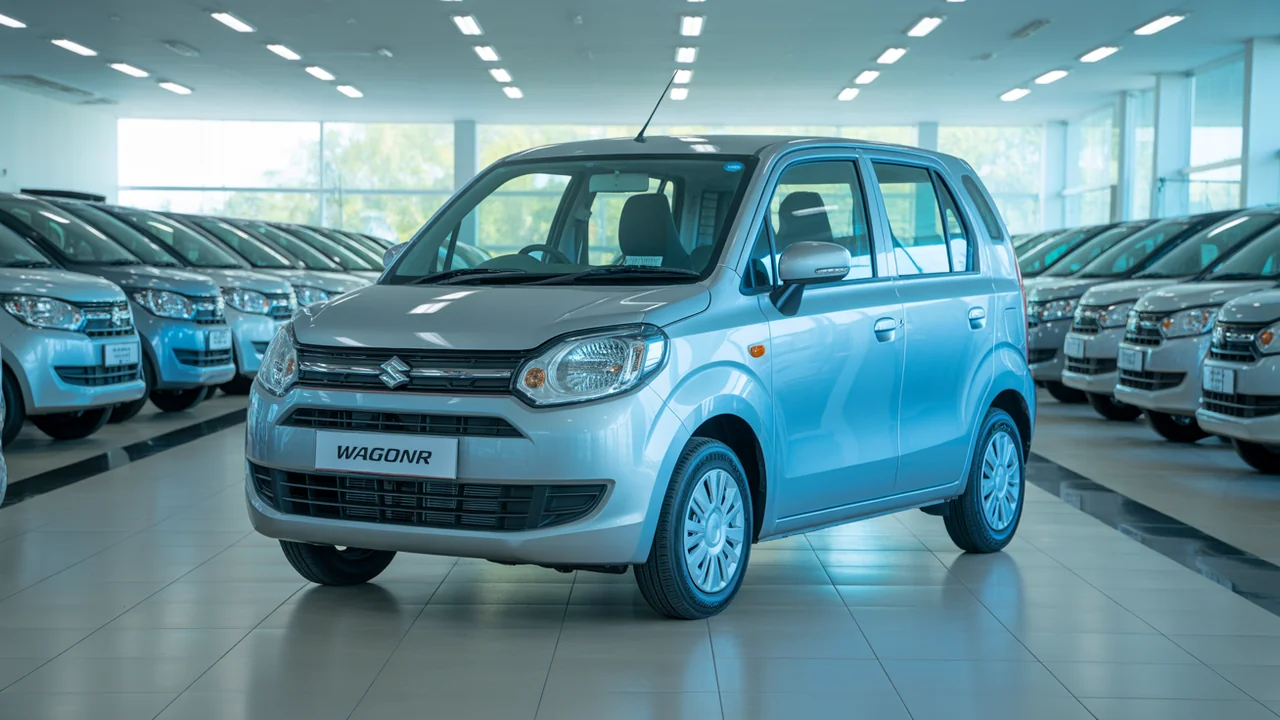
A familiar shape, updated for 2026
Maruti Suzuki’s WagonR continues to be one of India’s most recognisable hatchbacks, and the 2026 model year is expected to carry forward the same tall-boy formula that has kept it popular with families and city commuters.
While official variant-wise details may differ by market and update cycle, the WagonR’s core strengths remain its upright stance, easy cabin access, and low running costs—key reasons it has stayed relevant across generations.
Tall-boy comfort still drives its appeal
The WagonR’s high roofline is not just a design signature. For many buyers, it translates into a seating position that feels more like a compact MPV than a small hatchback, especially when compared with lower-slung alternatives.
In day-to-day use, this upright posture can make getting in and out easier for seniors, and it tends to help drivers with visibility in dense traffic—one of the reasons the WagonR remains a common sight in Indian cities.
25 kmpl claim: what it means in real-world terms
A mileage figure around 25 kmpl (typically quoted for select variants and test-cycle conditions) is one of the big talking points around the WagonR’s 2026 run. For budget-focused households, fuel efficiency is often the deciding factor, especially with fluctuating petrol prices.
Real-world efficiency, however, depends on traffic, driving style, tyre pressure, and AC usage. Buyers should treat the headline number as a benchmark rather than a guarantee, and compare it with their own commuting pattern.
City-friendly packaging remains a strong point
The WagonR’s compact footprint continues to work in its favour. Narrow lanes, tight parking spots, and frequent U-turns are everyday realities for most Indian drivers, and smaller dimensions can reduce stress behind the wheel.
At the same time, the cabin’s tall layout helps it feel roomy for its size, which is often what brings first-time buyers and small families into WagonR showrooms.
Practicality over performance
The WagonR has traditionally focused on predictable, easy-to-manage performance rather than sporty driving. That approach aligns with what many WagonR owners want: a light, no-fuss car for school runs, office commutes, and errands.
For buyers who prioritise highway power or enthusiastic handling, alternatives in higher segments may be worth considering. But for typical urban use, the WagonR’s simple, practical character is exactly the point.
What buyers in India usually look for
For Indian customers, value is a mix of mileage, service reach, resale expectations, and everyday convenience. The WagonR has historically scored well on these factors, helping it stay competitive even as feature lists in the hatchback space keep growing.
As always, it’s sensible to check current on-road prices, safety equipment, warranty coverage, and variant availability with official channels before deciding.
FAQs
Is the 25 kmpl mileage figure guaranteed in daily driving?
Not necessarily. It is usually an official test-cycle figure for specific variants; real-world mileage varies with traffic, driving habits, and AC use.
Why is the WagonR called a tall-boy hatchback?
Because it has a taller roof and more upright seating than typical hatchbacks, which improves ease of entry and a sense of space.
Is the WagonR suitable for a small family in India?
It is commonly chosen by small families for city use due to its practical cabin layout, easy driving manners, and efficiency-focused ownership.
What should buyers verify before booking a WagonR in 2026?
Check the latest variant list, safety features, official mileage rating for the chosen trim, and the on-road price in your city.