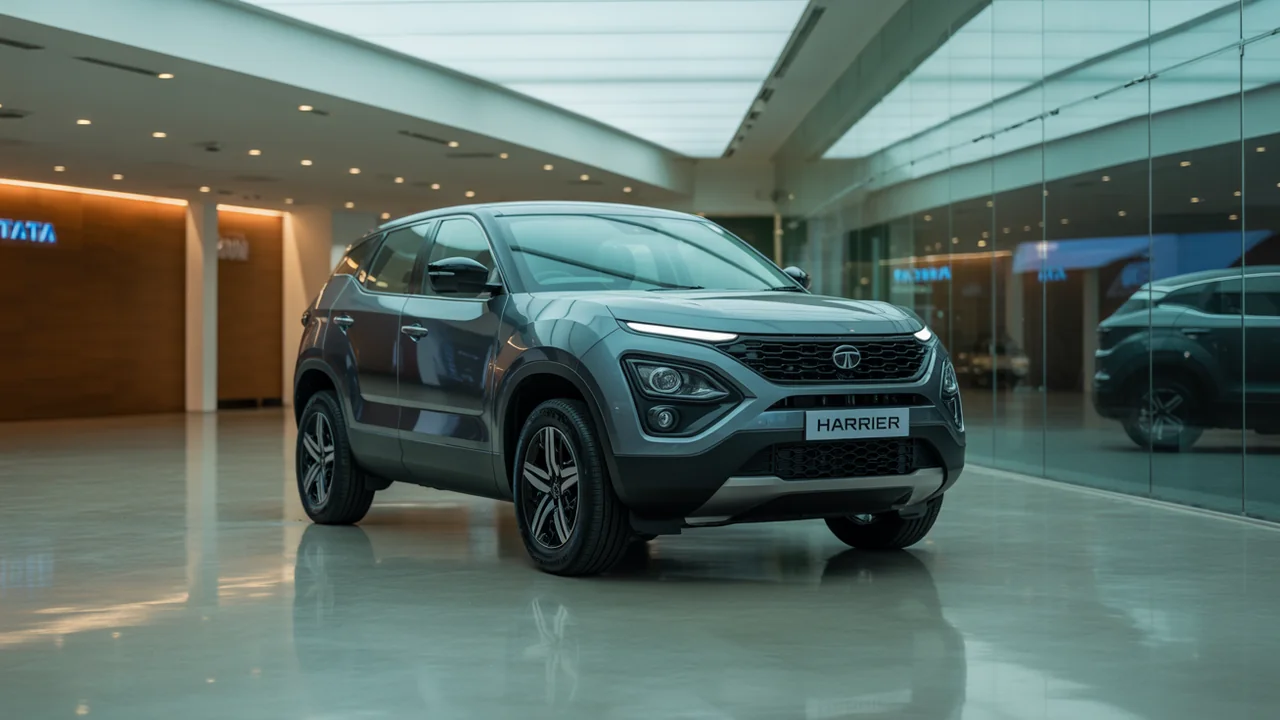
Diesel SUVs are still in the fight
Even as petrol-hybrid and electric options expand in India, diesel SUVs continue to matter for buyers who clock long highway runs and want steady real-world efficiency. The Tata Harrier 2026 is shaping up as another reminder that the segment isn’t going quiet anytime soon.
With a focus on a solid build, long-distance comfort, and an efficiency figure of up to 16 kmpl (as commonly claimed/expected for this class), the Harrier keeps pressure on rivals in the mid-size SUV space.
What’s driving interest in the Tata Harrier 2026
Harrier has historically been positioned as a rugged, highway-friendly SUV. The 2026 model year conversation largely stays on the same themes: strength, stability, and touring ability.
For many Indian families, that combination still beats the anxiety of frequent fuel stops or the uncertainty around charging access on long routes.
Strong build remains a talking point
One of the recurring reasons buyers shortlist the Harrier is its “solid” feel—door heft, stance, and the overall sense of durability on broken roads. In a market where buyers often equate safety with structure and weight, this perception matters.
That said, real safety depends on multiple factors, including crash test performance, restraint systems, and driver aids—not only how heavy or “tough” a vehicle feels.
Up to 16 kmpl mileage: why it matters in India
The 16 kmpl figure is the kind of number that can influence purchase decisions, especially with fuel prices staying high across many Indian cities. For diesel buyers, the key expectation is consistent efficiency on highways and decent returns even with full loads.
Actual mileage will still depend on driving style, traffic conditions, tyre pressure, service health, and whether the SUV is driven mostly in city congestion or on open highways.
Where it sits in the current SUV landscape
The mid-size SUV category is crowded, and many alternatives now lean heavily on petrol turbos, strong feature lists, and automatic convenience. The Harrier’s diesel positioning keeps a practical option alive for buyers who prioritise cruising range and relaxed high-speed driving.
This also helps keep competition active among brands that still offer diesel powertrains, especially for buyers who aren’t ready to move to EVs yet.
Who the Harrier 2026 could appeal to
The likely audience includes highway commuters, intercity travellers, and families planning road trips where range and stability take priority. It can also suit buyers in regions where diesel remains a common choice for larger vehicles due to long daily running.
For city-only users with short commutes, the decision may come down to ease of driving, parking comfort, and overall running costs versus petrol alternatives.

What to check before deciding
If you’re considering the Harrier 2026, it’s worth focusing on real-world factors rather than brochure claims. Test drive it on the roads you actually use—speed breakers, bad patches, and a short highway stretch if possible.
Also compare service coverage in your area, expected maintenance costs, and the availability of variants that match your priorities (safety kit, automatic transmission, and essential convenience features).
FAQs
1) Is the Tata Harrier 2026 a diesel-only SUV?
The Harrier has been primarily known for its diesel offering in India. Availability can vary by variant and model year, so it’s best to confirm the current line-up with official listings or dealerships.
2) Does the Harrier 2026 really deliver 16 kmpl?
Up to 16 kmpl is an efficiency figure often discussed for this segment, but real-world mileage depends heavily on traffic, driving style, load, and road conditions.
3) Is the Harrier 2026 a good choice for highway driving?
Harrier is generally considered a highway-friendly SUV due to its size and road presence. A test drive at highway speeds can help you judge comfort, stability, and noise levels.
4) What should buyers in India compare before buying a diesel SUV?
Check real-world mileage reports, service network in your city, running costs, safety features, and whether your usage is mostly city or highway. This helps ensure the diesel choice actually makes financial and practical sense.