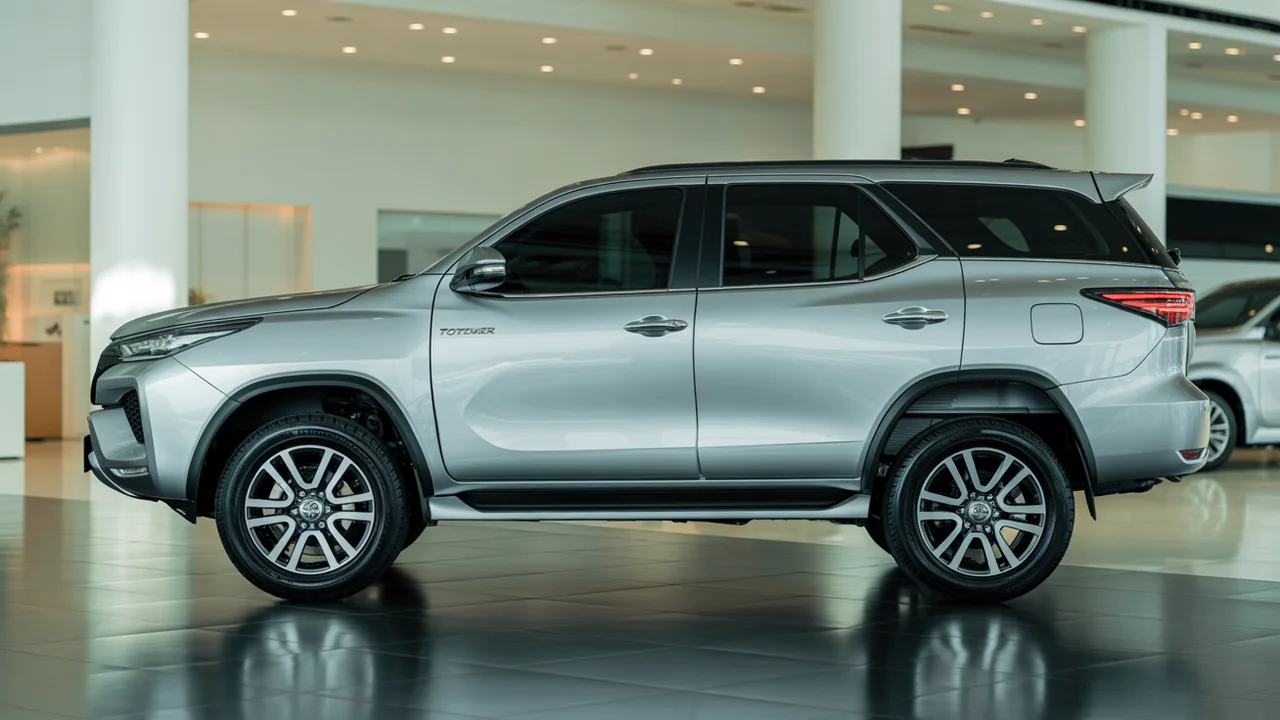
Toyota Fortuner 2026: familiar formula, sharper focus
Toyota’s Fortuner has long been a go-to choice in India for buyers who want a tough, premium ladder-frame SUV with a strong road presence. For 2026, the Fortuner is expected to continue with the same core strengths—solid build, dependable powertrains, and long-distance comfort—while keeping efficiency in focus.
With reports and market expectations pointing to around 14 kmpl mileage (depending on variant, driving style, and conditions), the Fortuner 2026 is likely to stay relevant for families and highway users who clock serious kilometres.
Power and drivability remain the headline
The Fortuner’s appeal in India has often come down to its engine performance—especially strong low-end torque that suits highway cruising and uphill drives. The 2026 model is expected to carry forward a powerful diesel option in many trims, along with an automatic gearbox choice for easier city use.
For buyers, this typically translates to confident overtakes on expressways, relaxed cruising at speed, and the ability to handle full loads of passengers and luggage without feeling strained.
Claimed 14 kmpl: what it means in real life
A figure like 14 kmpl can sound impressive for a big body-on-frame SUV, but real-world mileage depends heavily on traffic, tyre pressure, driving habits, and whether the SUV is 4×2 or 4×4. In Indian conditions, stop-go commuting will usually pull the number down, while steady highway runs can bring it closer.
That said, if the Fortuner 2026 maintains efficiency near this range, it helps reduce the everyday running-cost gap between large SUVs and smaller monocoque crossovers—especially for highway-heavy users.
Premium SUV positioning: space, comfort, and road presence
In India, the Fortuner competes as much on image as it does on practicality. The tall stance, commanding seating position, and big-cabin feel are key reasons buyers step up to it. Expect the 2026 model to continue offering a three-row layout, making it a realistic option for joint families and frequent outstation trips.
Comfort features and cabin upgrades are also expected to remain an area of focus, as buyers increasingly compare the Fortuner with feature-rich rivals in the same price band.

Safety and everyday usability: what buyers will watch
Safety expectations in the premium SUV space are rising fast in India. Buyers will be looking for a strong list of standard safety features, and many will also expect advanced driver assistance features in higher variants, depending on final specifications and variant strategy.
Usability points—like a smoother automatic, better noise insulation, and improved ride comfort—also matter, especially for city driving where a large SUV can feel bulky.
Who the Fortuner 2026 is likely to suit
The Fortuner 2026 is expected to continue targeting buyers who prioritise durability, strong performance, and long-term ownership confidence. It typically makes the most sense for people who spend a lot of time on highways, travel with family, or need an SUV that feels robust in mixed road conditions.
For buyers mainly driving in dense city traffic, the size and fuel costs still warrant a careful test drive and realistic mileage expectations.

FAQs
1) Is the Toyota Fortuner 2026 expected to deliver 14 kmpl in India?
The mileage figure being discussed is around 14 kmpl, but real-world results will vary by variant, driving conditions, and driving style.
2) Will the Fortuner 2026 come with a powerful diesel engine?
The Fortuner is expected to continue with strong engine options, and buyers in India will likely see diesel variants as a key highlight, subject to final lineup details.
3) Is the Fortuner 2026 a good SUV for highway travel?
Yes, the Fortuner’s strengths traditionally include stable highway manners, strong overtaking performance, and a comfortable, high seating position.
4) Should city-focused buyers consider the Fortuner 2026?
It can work in cities, especially with an automatic, but the large size and mileage variability in traffic mean it’s best to test drive and compare running costs before deciding.