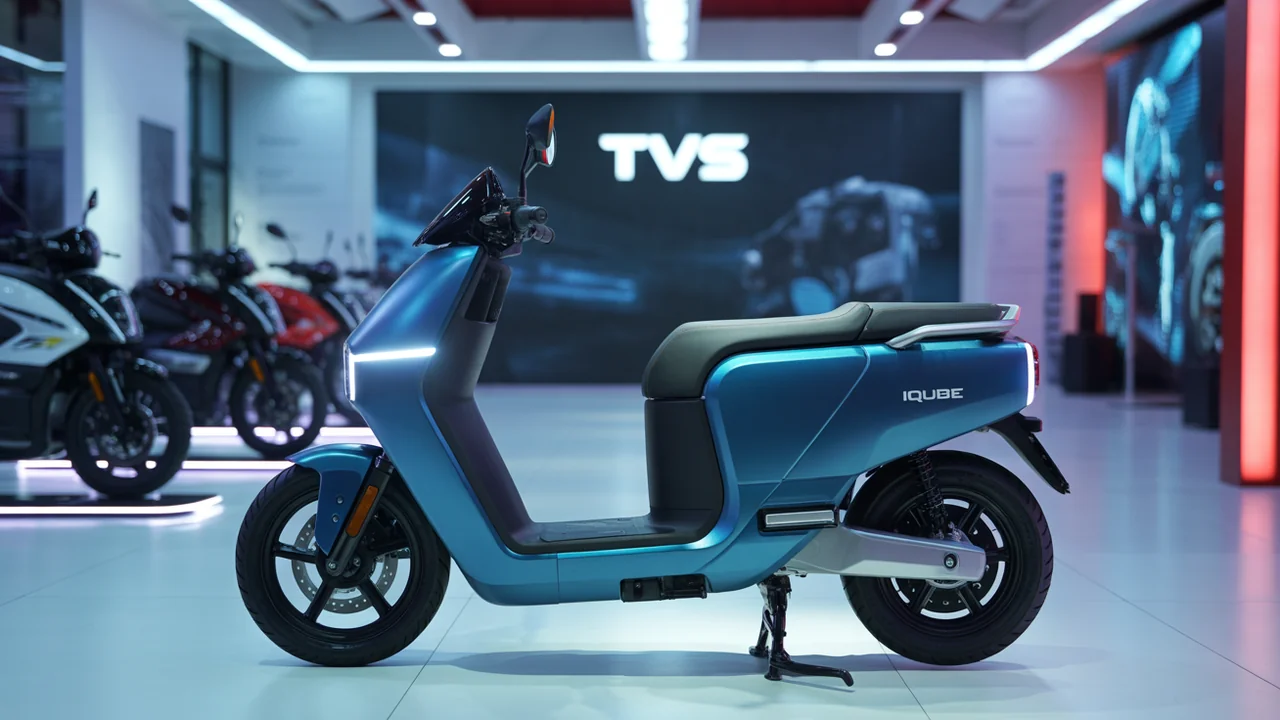
TVS iQube 2026 sees rising interest among city riders
The TVS iQube 2026 electric scooter is drawing more attention in Indian cities as commuters look for easier daily mobility and lower running costs. The model’s popularity appears tied to practical urban performance, familiar scooter ergonomics, and a claimed range figure that suits common office-and-errand routines.
With more EV charging points coming up in metro areas and more riders getting comfortable with electric scooters, the iQube is increasingly being shortlisted as a primary city vehicle rather than a secondary runabout.
What’s driving demand in India’s urban commute
In dense traffic, riders generally prioritise smooth acceleration, predictable handling at low speeds, and simple controls. The iQube 2026 is being discussed for its city-first character—designed to deal with short bursts of speed, frequent braking, and stop-go movement without the gear changes of a petrol scooter.
Another factor is day-to-day convenience. Urban owners often want a scooter that feels easy to live with: quick trips to the market, office commutes, and short family rides, all without planning fuel stops.
145 km claimed range: what it means in real life
TVS has highlighted a claimed range figure of up to 145 km for the iQube 2026, which has become a key talking point. For many city users, the real question is how that translates to daily use—especially with varying riding styles, passenger loads, and traffic conditions.
In practice, range can change based on speed, tyre pressure, how often you accelerate hard, and whether you ride with a pillion. Still, a higher claimed range generally reduces “range anxiety” for routine commutes and helps riders space out charging sessions.
City-focused performance and everyday ride feel
Electric scooters tend to feel quickest when pulling away from a standstill, which suits intersections and short gaps in traffic. Riders in India often describe this as a more relaxed way to commute—less noise, fewer vibrations, and smoother low-speed progress in crowded lanes.
For daily city riding, practicality matters as much as speed. The iQube’s growing popularity suggests buyers are paying attention to predictable braking, manageable weight, and a ride that feels stable on typical urban roads.
Charging habits and ownership routines
For many owners, home charging is the main routine, especially in apartment parking spots with access to a socket or a dedicated EV point. Public chargers are becoming more common, but usage depends heavily on locality and availability at work or near shopping areas.
Prospective buyers are also paying closer attention to charging time, service access, and how an electric scooter fits into their weekly schedule—factors that can matter as much as the headline range number.
How it stacks up in a crowded electric scooter market
India’s electric two-wheeler space is now crowded with options across price bands and performance levels. Many buyers compare scooters on three broad factors: real-world range, reliability and service support, and comfort for Indian road conditions.
The iQube 2026 appears to be benefitting from a “balanced” positioning for city riders—offering enough range for typical urban needs while keeping the riding experience familiar for people upgrading from petrol scooters.
What buyers should check before booking
Before making a decision, buyers are advised to take a long test ride that includes rough patches, speed breakers, and stop-start traffic. It’s also useful to ask for expected real-world range in your commute pattern and confirm charging options at home or work.
Since features and variants can differ by city and time, it’s worth verifying the exact configuration, warranty terms, and service intervals offered in your location.
FAQs
1) Is the 145 km range on the TVS iQube 2026 realistic for daily city use?
It is a claimed figure; real-world range can be lower depending on traffic, speed, load, and riding style. It may still be sufficient for many city commutes if charging is planned.
2) Who is the TVS iQube 2026 best suited for?
It is typically suited for riders who commute mainly within the city and want a smooth, easy-to-ride scooter for daily errands and office travel.
3) What affects electric scooter range the most in Indian conditions?
Frequent hard acceleration, higher speeds, underinflated tyres, carrying a pillion, and heavy stop-go traffic can all reduce range.
4) Should buyers rely on public charging or home charging?
Most owners prefer home charging for convenience. Public charging can be helpful as a backup, depending on availability in your area.